
Cyber News The Record 1 day ago

Brooklyn DA’s office disrupts crypto scam targeting Russian community

CN
CyberNew Threat Research Desk
• Original Reporting: The Record
CyberNew Threat Intel Assessment
Assessed Severity: CRITICAL
Impacted Surface
Enterprise Perimeter & Network Defense
Intelligence Sector
Cyber News

Analyst Takeaway

"Brooklyn District Attorney Eric Gonzalez speaks to interns in July. Image: @BrooklynDA / X Brooklyn DA’s office disrupts crypto scam targeting Russian community Hundreds of web domains and servers were taken down by law enforcement agencies in New York City as part of an operation to stop a cryptocurrency fraud scheme targeting the Russian community in Brooklyn. Brooklyn District Attorney Eric..."

Recommended Defense & Mitigation

  • Emergency Patching: Prioritize vendor patches and CVE mitigation across internet-facing assets immediately.
  • Perimeter Audit: Inspect perimeter firewall logs and hunt for unauthorized RCE indicators.
Curated & Verified by CyberNew Threat Intelligence Desk Standard Defense Framework (NIST / MITRE ATT&CK)
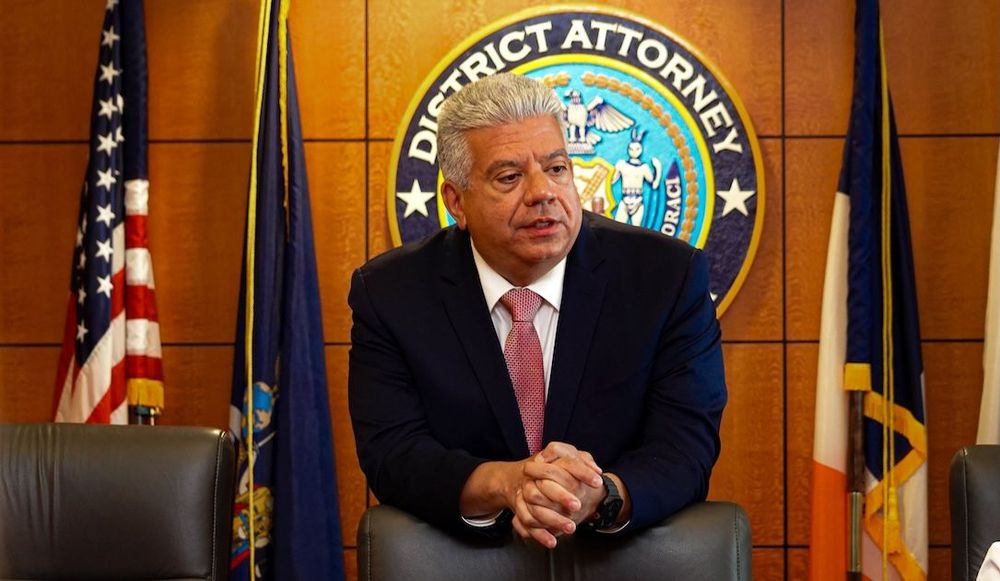
Brooklyn DA Eric Gonzalez
Brooklyn District Attorney Eric Gonzalez speaks to interns in July. Image: @BrooklynDA / X

Brooklyn DA’s office disrupts crypto scam targeting Russian community

Hundreds of web domains and servers were taken down by law enforcement agencies in New York City as part of an operation to stop a cryptocurrency fraud scheme targeting the Russian community in Brooklyn. 

Brooklyn District Attorney Eric Gonzalez said his office worked with the FBI to seize and disrupt 241 web domains and 112 servers after the tools were used to steal millions. 

The investigation began three years ago when a large number of Russian-speaking victims in Brooklyn told prosecutors they responded to Facebook ads in Russian offering investment opportunities. An investment adviser called them and walked them through the process of creating cryptocurrency accounts and transferring funds on investment platforms. 

When the victims tried to take their money out, they were locked out of their accounts and told they had to pay additional fees and taxes in order to get their funds. 

Gonzalez’s office said victims likely lost millions but authorities were able to claw back about $300,000 worth of stolen funds. 

Several of the seized websites were made to look like legitimate investment platforms and referenced U.S. government agencies or wealthy people like Elon Musk. 

Source Verification & Original Intelligence

This threat report was reviewed by CyberNew analysts and cross-referenced with primary security disclosures from The Record.

Primary Advisory →