
Threat Intelligence & APT The Record 3 weeks ago

Russia's internet shutdowns disrupt warnings about incoming drone attacks

CN
CyberNew Threat Research Desk
• Original Reporting: The Record
CyberNew Threat Intel Assessment
Assessed Severity: INFORMATIONAL
Impacted Surface
Client Endpoints & Operating Systems
Intelligence Sector
Threat Intelligence & APT

Analyst Takeaway

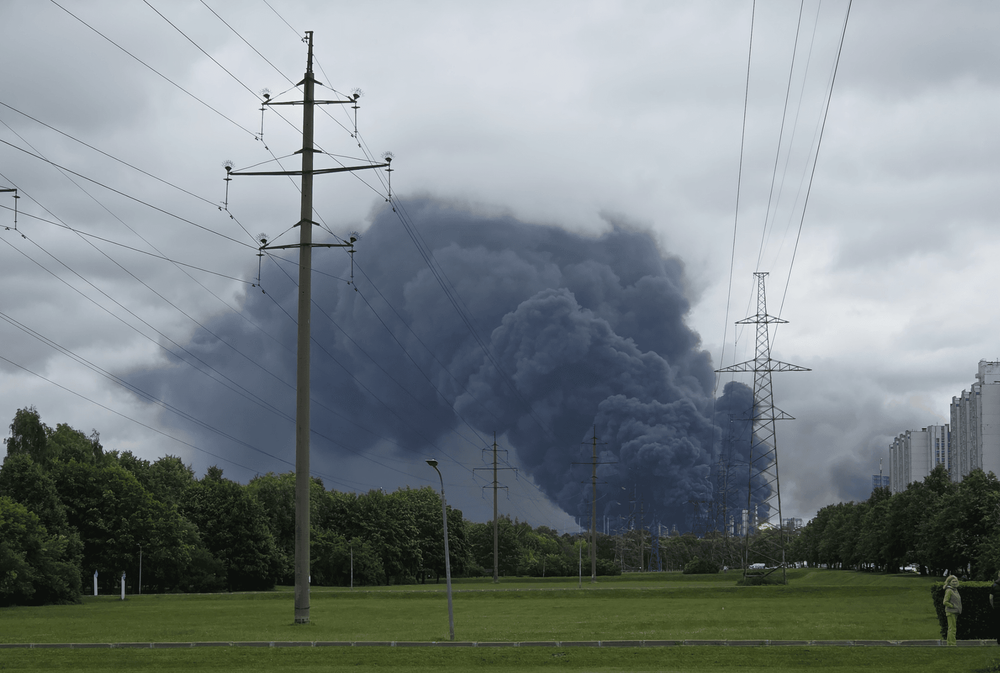
"Fire at Moscow Oil Refinery, on June 16, 2026 / Image by Rotafinus via Wikimedia / CC0 1.0 Russia's internet shutdowns disrupt warnings about incoming drone attacks Russia’s growing restrictions on mobile internet and cellular service are making it harder for people to receive warnings about incoming Ukrainian drone and missile attacks. In some cases, alerts arrive only after a strike or do not..."

Recommended Defense & Mitigation

  • Threat Monitoring: Ingest published IOCs into SIEM/EDR detection rules for continuous telemetry monitoring.
  • Security Awareness: Alert staff and maintain baseline endpoint hardening across endpoints.
Curated & Verified by CyberNew Threat Intelligence Desk Standard Defense Framework (NIST / MITRE ATT&CK)
Fire at Moscow Oil Refinery, on June 16, 2026 / Image by Rotafinus via Wikimedia / CC0 1.0

Russia's internet shutdowns disrupt warnings about incoming drone attacks

Russia’s growing restrictions on mobile internet and cellular service are making it harder for people to receive warnings about incoming Ukrainian drone and missile attacks. In some cases, alerts arrive only after a strike or do not reach residents at all.

Russian authorities routinely restrict mobile internet during drone attacks, saying the shutdowns are needed to prevent drones from using cellular networks for navigation or targeting. But digital rights experts and local reports say the restrictions can also disrupt Telegram warnings, emergency apps and other online alert systems.

In some regions, the problem is made worse by authorities choosing not to activate air raid sirens, leaving residents more reliant on digital warnings that may be delayed or unavailable when internet access is restricted.

Sarkis Darbinyan, a Russian cyberlawyer and expert at RKS Global, said warnings issued by Russia’s emergency services can reach people through numerous channels, including SMS, push notifications, television, radio, sirens, loudspeakers, government websites and official Telegram channels.

But during mobile internet shutdowns, many of those channels become unreliable or stop working altogether.

Source Verification & Original Intelligence

This threat report was reviewed by CyberNew analysts and cross-referenced with primary security disclosures from The Record.

Primary Advisory →